
Vision plays a critical role in a child’s development, affecting their ability to learn and interact with the world. Ensuring your child maintains healthy vision can prevent issues that could impact their education and overall quality of life. Early detection of vision problems is vital, as untreated issues can lead to long-term complications. It becomes even more important to be on the lookout for any vision-related issues as children return to school, so that both parents and teachers can navigate any issues that arise.
Schedule Regular Eye Exams
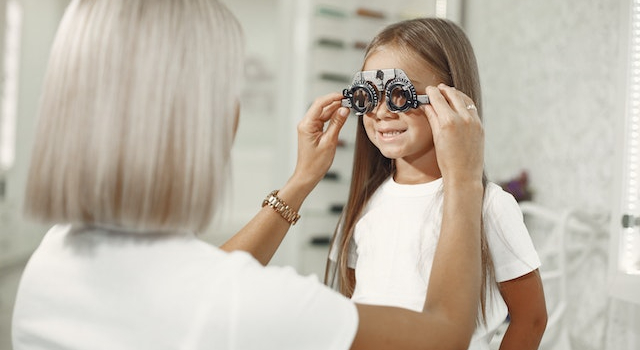
Routine eye exams are crucial for early detection of vision problems. According to the American Optometric Association, it’s encouraged that children have their first comprehensive eye exam at six months, followed by an exam at three years old and one before starting school. Regular check-ups can help identify conditions like myopia (nearsightedness), strabismus (crossed eyes), and amblyopia (lazy eye), which can be effectively managed if caught early.
How Often Should Kids Get Eye Exams?
It’s recommended that school-aged children go for an eye exam every two years if no vision correction is required. However, children who wear glasses or contact lenses should have annual exams to ensure their prescriptions are still working for them and to monitor their eye health.
Encourage Outdoor Play and Limit Screen Time
Studies show that children who spend just one hour outdoors daily can reduce their risk of developing myopia by over 14%. Encourage your child to spend at least two hours outside each day. Natural sunlight and distant focusing activities, like playing sports or simply exploring, promote healthier vision development.
Balancing Screen Time and Outdoor Activities
Excessive screen time can contribute to digital eye strain, leading to discomfort and potential long-term issues. A study from the American Academy of Pediatrics recommends limiting recreational screen time to no more than two hours per day for children aged 6 years and older. Implement the 20-20-20 rule: every 20 minutes, have them shift their eyes to look at an object at least 20 feet away, for at least 20 seconds.
Promote a Nutrient-Rich Diet for Eye Health
Nutrition plays a significant role in maintaining good vision. A diet rich in fruits, vegetables, and omega-3 fatty acids supports overall eye health and can help prevent conditions like dry eyes and age-related vision problems later in life.
Key Nutrients for Healthy Eyes
Incorporate foods that are high in vitamins A, C, and E, as well as zinc and omega-3 fatty acids. Foods like carrots, spinach, fish, and nuts are excellent choices. Ensure your child gets a balanced diet that includes these nutrients to support their vision and overall health. Find a more detailed list of recommended foods for eye health here.
Teach Good Visual Hygiene Habits
Children should learn good habits to avoid eye strain and maintain healthy vision. Simple practices like proper lighting while reading or doing homework, maintaining a good distance from screens, and taking regular breaks from their close-up tasks can make a huge difference.
Practical Tips for Good Visual Hygiene
Use Adequate Lighting: Ensure that your child has enough light when reading or working to avoid eye strain.
Maintain Screen Distance: Keep screens at least an arm's length away and at eye level to reduce strain.
Prioritize Your Child’s Vision Health
Maintaining healthy vision habits in children is essential for their overall development and well-being. By scheduling regular eye exams, encouraging outdoor play, promoting a nutrient-rich diet, and teaching good visual hygiene, you can help ensure your child enjoys optimal eye health throughout their life. Remember, healthy vision is key to your child's future success and happiness. Provide your child with the best pediatric eye care and request an appointment with one of our optometrists.